Sedoha exists because the way we measure and value impact is broken.

The value any organization creates or destroys is more than financial capital. Yet traditional accounting counts only financial performance. The other five capitals, natural, human, social, intellectual, and manufactured, stay off the books, so the picture of performance is incomplete.

Impact gets measured as a compliance, disclosure, or marketing exercise, not as a means to make decisions that improve performance. Boxes get checked, the reporting cycle ends, and it’s back to business as usual.

Sedoha puts all six capitals — financial, manufactured, intellectual, human, social, and natural — on one set of double-entryEvery value is recorded twice, once as where it came from and once as where it went, so the books check themselves. books, then closes the loop most impact programs leave open. It learns, from the evidence on the books, which strategies actually improve outcomes and recommends what to try next.

Measurement is the means. Improvement is the point.

Sedoha is an AI-native company, running on its own product.

Impact accounting doesn’t function without AI. That is the premise Sedoha is built on. Financial transactions arrive already priced; impact evidence arrives as meter readings, surveys, program reports, and published valuation factors. The frameworks and factor libraries made the field theoretically possible, but impossibly difficult to implement for years. Turning that evidence into balanced, auditable books takes a volume of classification and a density of methodology judgment no team could afford. It’s why impact has frameworks and disclosures, but has never had books. AI is what closes that gap. It carries the whole methodology in working memory, applies each ruling across the entire ledger, and holds the books to a rigor no team could sustain by hand. For us, for Sedoha, the point is not efficiency. The point is that the books can finally exist, and that they get better every cycle.

Our methodology, our engagements, and the company’s own operations are all built to be read and worked by humans and AI together. Every accounting decision is recorded once and becomes precedent. The AI keeps that memory, reasons over the books, and brings our impact accountants and bookkeepers the new decisions that need their judgment, while handling the volume work itself: classification, reconciliation, drafting, cross-checking. People rule on methodology and on every material accounting call; the system carries each ruling forward and applies it when the question recurs. The work is infinite in every direction. The learning compounds.

We run our own methodology on ourselves. The same improvement cycle we deliver to clients is how Sedoha itself operates. The company is its own first proof of concept.

None of this loosens the accounting. The deliverable of every engagement is a double-entry, auditable ledger, and every number in it traces to its source. The discipline is in the books, not in a trust-us claim about the tools.

The evidence base is designed to compound: each engagement strengthens the evidence our recommendations draw on: patterns of what worked, never a customer’s data. Each client’s books stay their own.
Founded and led by people who spent their careers close to the problem.

Michael Knapp

Michael Knapp, PhD

Founder & CEO

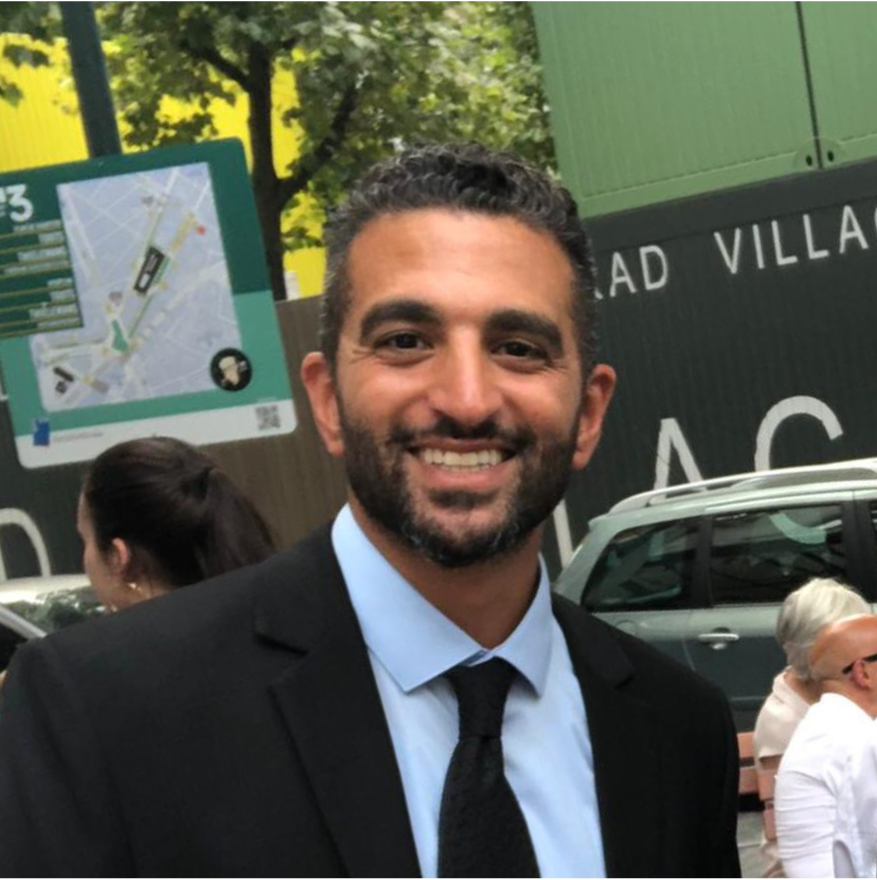
Michael founded Sedoha to close a loop that has been broken for decades: the distance between measuring impact and actually improving it. He is a context engineer and public-health informaticist who has spent 25 years building continuous-improvement systems for governments, supply chains, and social-service agencies.

In 2000 he founded Green River, a software company he grew to 45 designers and engineers without outside investment. Its work includes Open Path, the open-source homeless-services data platform begun with the City of Boston and now matching people to housing for agencies across the country; My Healthy Community, Delaware’s neighborhood-level population-health platform, peer-reviewed in the Delaware Journal of Public Health; farm-inspection and worker-safety systems for Starbucks’ coffee and cocoa supply chains; and the platform behind GRESB, the global benchmark for real-estate sustainability.

In 2024 he transitioned Green River to full employee ownership through an ESOP-cooperative hybrid. He holds a PhD in Environmental Health Sciences from Yale and lives in Guilford, Vermont, where he serves on the town Planning Commission and the boards of community organizations.

Karim Bin-Humam

Karim Bin-Humam

Director, Impact & Outreach

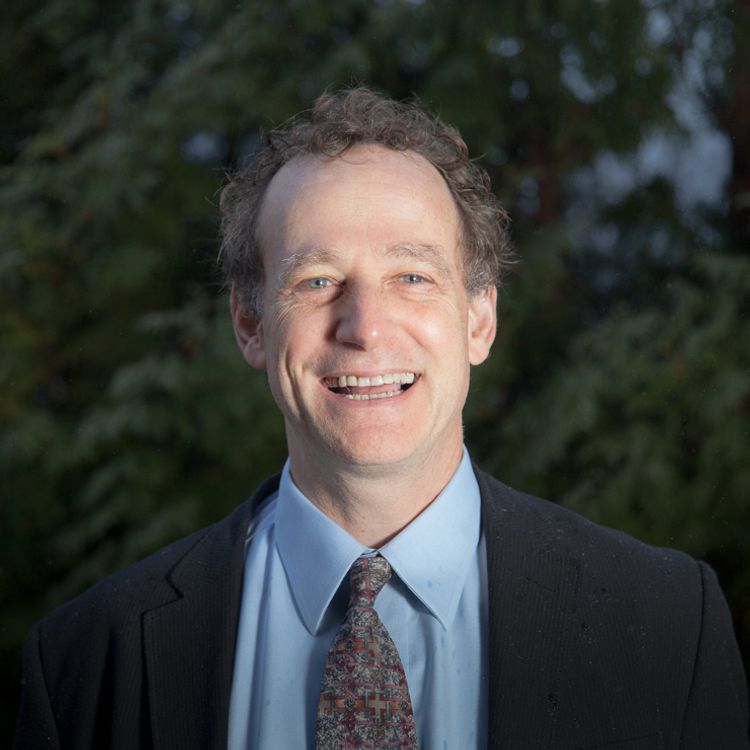
For over a decade, Karim worked with UN agencies, nonprofits, foundations, and international development organizations, using digital technology to open economic opportunity for marginalized communities, including refugees. He founded SkillLab, a social venture whose AI skills-mapping platform reached workers in more than twenty countries.

Across that work, one problem kept recurring: the people deciding what counts as impact are rarely the ones closest to it. He leads impact and outreach at Sedoha to close that gap, putting social and environmental outcomes on books the people closest to the work can read and challenge, the way financial statements already work for money. He holds an MA from Johns Hopkins SAIS and degrees in engineering from Tufts and the Technical University of Munich.

Ready to talk about your organization’s books?

Get in touch